Kensal Rise Residents Fight Back Against Surge in Out of Service Diesel Buses

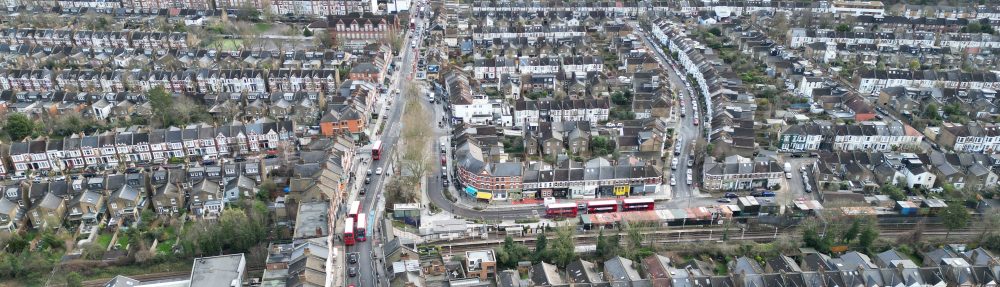
The Kensal Rise Residents’ Association (KRRA) is leading a campaign against Transport for London (TfL) and Metroline over the routing of hundreds of empty diesel Out of Service buses through residential streets. Since Metroline took over the route 28 contract from RATP in May 2024, Out of Service buses have been diverted through Chamberlayne Road and Liddell Gardens, adding to an already congested residential area that already hosts four existing bus routes.

Initially designed for horses, carts, and Victorian-era 2ft x 4ft buses, Chamberlayne Road is owned by Brent Council of the Borough of Brent. This two-thirds residential road now faces the challenge of accommodating up to 8,000 TfL diesel buses (excluding the Out of Service buses) servicing six routes weekly, along with approximately 75,000 vehicles, including cars, vans, HGVs, lorries, and coaches, creating conditions that violate both environmental standards and residents’ fundamental rights to a safe and healthy living environment.

The controversy is heightened by TfL’s decision to specify old style diesel buses in the tender for route 28, despite the previous operator, RAPT, using electric buses and documented air quality concerns in the area. In 2018, the Mayor’s Air Quality Audit for Schools identified Ark Franklin Academy on Chamberlayne Road as among top fifty worst-polluted schools, situated on one of London’s worst polluted roads.

“It’s unacceptable that TfL would knowingly issue a tender requiring diesel buses in an area already suffering from severe air pollution,” says the Residents’ Association. The group points out that Chamberlayne Road, neither an A nor B road, now handles over 1,300 buses daily, resulting in journey times of up to 20 minutes to travel just 0.9 miles.

Residents of both Chamberlayne Road and Liddell Gardens report structural damage to their homes from constant vibrations, while the continuous convoy of empty Out of Service buses takes a circuitous two-mile route through residential streets to reach Metroline’s Willesden Junction depot, despite the availability of more suitable main road alternatives.

Conversations with route 28 drivers have revealed that Metroline’s decisions appear driven primarily by operational cost savings rather than community impact. The Residents’ Association describes this as “morally unacceptable,” noting that Metroline’s continued disregard for community wellbeing stands at odds with their responsibilities as a public transport operator.

The Residents’ Association has escalated the matter to the Local Government Ombudsman after both TfL and Metroline failed to address their concerns adequately. They are also seeking legal advice regarding compensation for property damage.
KRRA’s Response to Transport for London Consultation – Route 452 Changes

The Kensal Rise Residents’ Association (KRRA) proposes to support TfL’s proposal to change route 452 so it would operate between Vauxhall Bus Station and Notting Hill Gate, following its trial period (Proposed response at the end of this post). This position stems from the severe impact of TfL’s intensive bus operations in the neighbourhood, where over 1,100 double-decker diesel buses traverse Chamberlayne Road daily – equivalent to one bus passing residential properties every other minute, seven days a week.

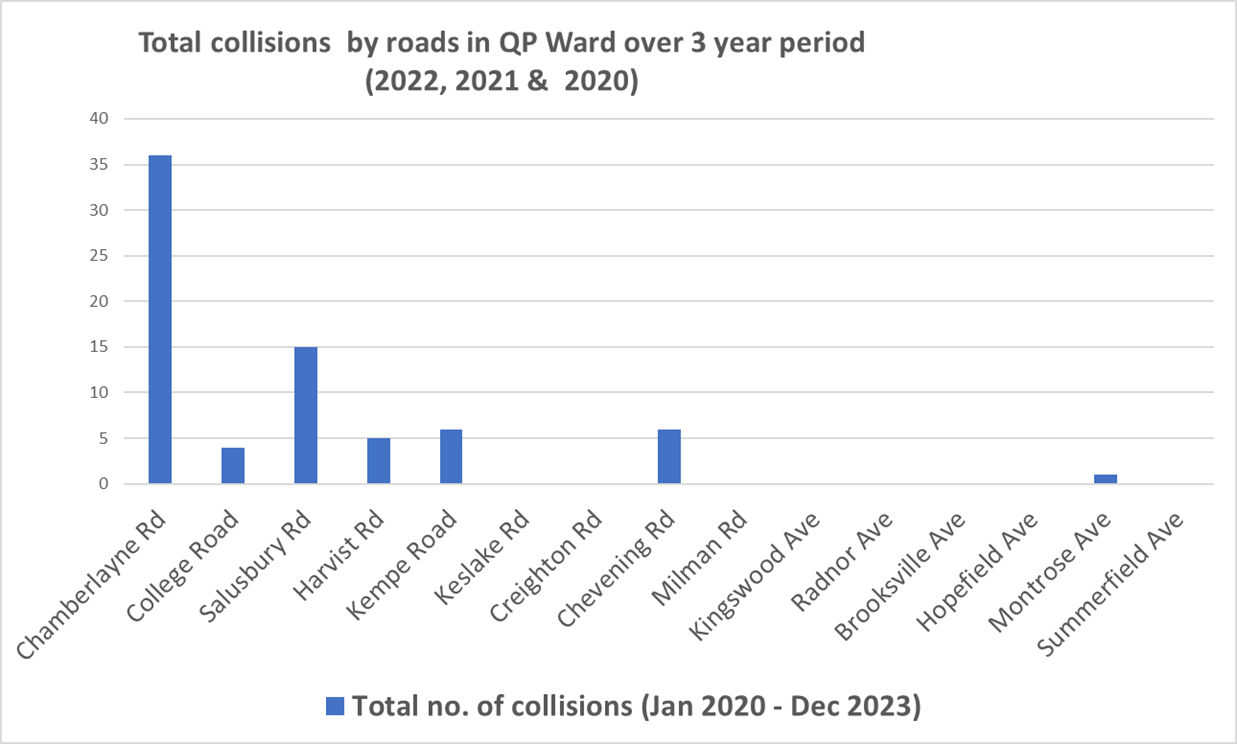
The Victorian-era Chamberlayne Road, a narrow single carriageway just 6.5 metres wide, was never designed to handle such heavy traffic. The constant passage of 12-tonne buses has led to structural damage to properties, dangerous levels of air pollution, and significant safety concerns, as the road lacks the infrastructural capacity to safely accommodate such volumes – over 11,300 vehicles and 1,100 buses daily (excluding route 302). Between 2020-2022, there were 40 collisions on this road. Particularly worrying are the air quality levels near Ark Franklin Primary Academy, identified as one of London’s most polluted school locations in the Mayor’s 2018 Air Quality Audit.

Because of the intense traffic volume, bus journeys are severely impacted, often taking 20 minutes or more just to travel down Chamberlayne Road. This unreliability has made buses the least preferred travel option for many residents, who choose to drive instead to maintain control over their journey times – directly contradicting the Mayor of London’s strategy to encourage greater use of public transport.

From a broader urban planning perspective, the current bus routing appears to contradict TfL’s own stated goals of creating healthy streets and promoting active travel. The dominance of buses on Chamberlayne Road discourages cycling and walking, working against the Mayor of London’s  transport strategy of increasing active travel modes.

The KRRA notes that route 452 has already been temporarily suspended in Kensal Rise with no complaints from residents, as route 52 adequately serves the area. They propose making this change permanent. The association also recommends implementing an ANPR traffic management system to reduce cut-through traffic to improve bus journey times.

These changes would help address the community’s pressing concerns about public health, safety (particularly for cyclists and pedestrians), and quality of life while maintaining sufficient public transport access through existing routes.

If you have any feedback, please contact the KRRA by 4 PM (13 December 2024) at kensalrisera@gmail.com.

Queen’s Park Area – Healthy Neighbourhood

MP Smarter Travel has begun its second phase of consultation on proposed traffic management measures for the Queen’s Park area.

Following significant opposition to the proposals (Options A and B) amongst residents across the Ward, the survey – now termed as an “engagement” exercise and not consultation – has been extended to 6th December 2024. It is open to residents living in the Queen’s Park area or near to it i.e. Kensal Rise. Link to the survey: https://forms.monday.com/forms/380da15880e467d9465c26e7bd7bc40d?r=use1

For more information about the proposals, please click on the following link: https://www.brent.gov.uk/parking-roads-and-travel/travel-and-transport/brent-healthy-neighbourhoods/queens-park-healthy-neighbourhood

These measures are limited to roads in the Queen’s Park area. While the Kensal Rise Residents’ Association strongly advocates for healthier and safer streets for all residents in the Queen’s Park Ward, and has lobbied for years to achieve this, it is very disappointing that no measures are proposed for Chamberlayne Road, especially when the facts speak for themselves:

  1. Chamberlayne Road is a residential road where many residents live. From Harvist Road to Sidmouth/All Souls roundabout, Chamberlayne is actually classified as a minor road – yet thousands of residents must endure this relentless traffic
  2. +35 crashes and rising (2020-22) on Chamberlayne Road, making it the most dangerous road in the Queen’s Park Ward (Kensal Rise and Queen’s Park area)
  3. Nitrogen Dioxide (NO2) levels at Station Terrace nearly 100 µg m-3 (legal limit: 40)
  4. 1,100+ diesel buses and 9,000 vehicles daily on what’s technically a minor road
  5. Terrible Healthy Neighbourhood score for Chamberlayne Road – the lowest of the ward